
Why A Joined-Up Refurbishment Plan Matters For Your Muswell Hill Home in 2026

Updated: Jul 28
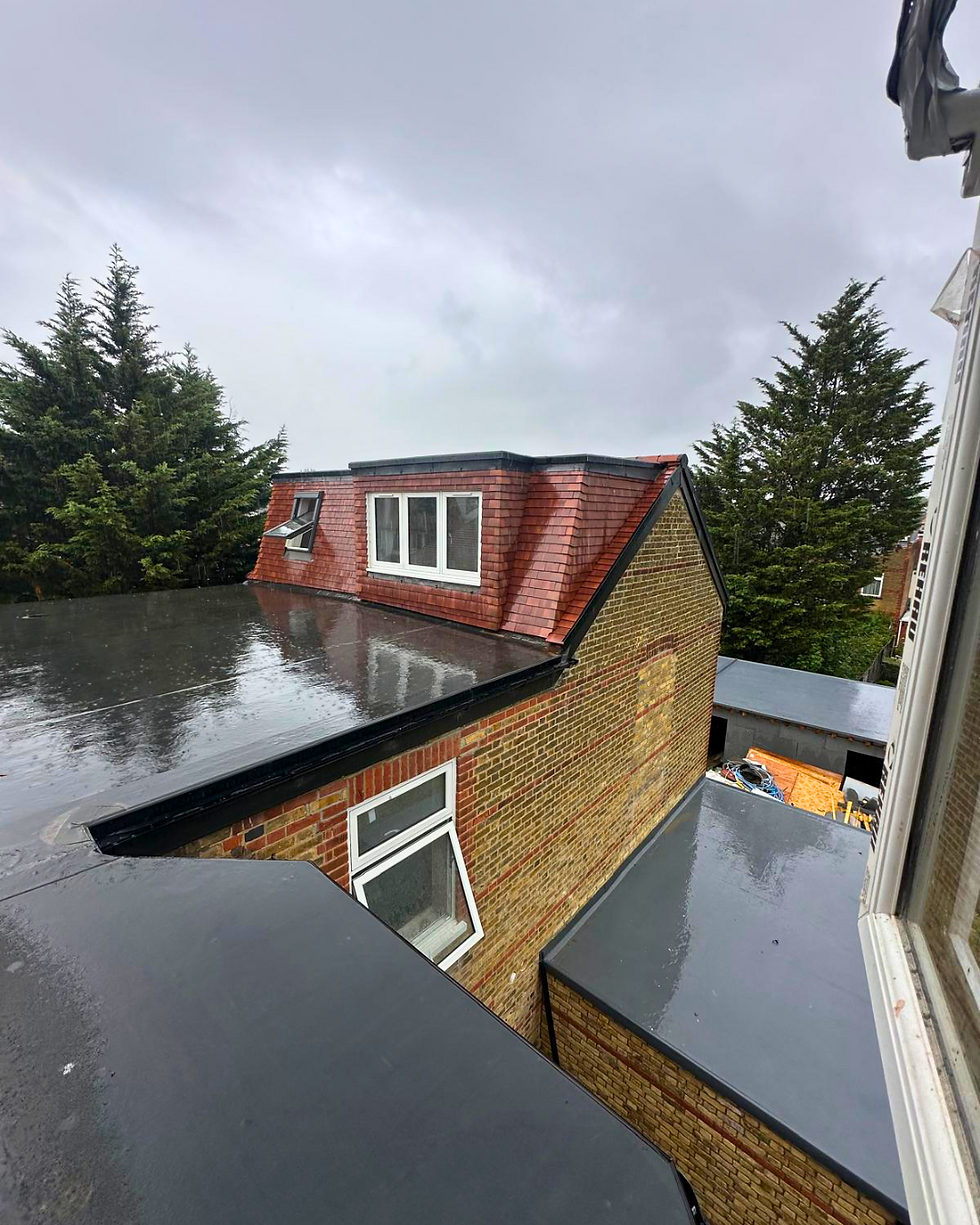
In Muswell Hill, where beautiful period properties are abundant, homeowners are increasingly opting for loft conversions or extensions to enhance living space. A well-thought-out, joined-up refurbishment plan ensures that not only your loft or extension looks great, but the entire house feels cohesive and modern. The right refurbishment plan can seamlessly integrate your new loft or extension with the rest of your home, creating a harmonious living space that adds value, functionality, and style.
TNK Construction Ltd, led by director Tim Gjana, offers expertise in whole-house refurbishments across Muswell Hill, providing integrated solutions to ensure your home transformation is seamless.

Why A Joined-Up Refurbishment Plan Matters For Your Muswell Hill Home in 2026
In Muswell Hill, where beautiful period properties are abundant, homeowners are increasingly opting for loft conversions or extensions to enhance living space.
A well-thought-out, joined-up refurbishment plan ensures that not only your loft or extension looks great, but the entire house feels cohesive and modern.
The right refurbishment plan can seamlessly integrate your new loft or extension with the rest of your home, creating a harmonious living space that adds value, functionality, and style.
TNK Construction Ltd, led by director Tim Gjana, offers expertise in whole-house refurbishments across Muswell Hill, providing integrated solutions to ensure your home transformation is seamless.
What best value means for Muswell Hill homeowners in 2026
Best value is about more than just expanding your home; it’s about creating a home that feels fresh, modern, and perfectly aligned with your needs.
Homeowners often focus on optimising space, improving layouts, and ensuring a consistent style throughout the house, from the loft to the ground floor.
Long-term owners aim for functional spaces with high-quality finishes, energy-efficient designs, and layouts that suit evolving needs.
Investors may focus on creating properties that appeal to future buyers by offering well-executed, modern designs that blend old-world charm with contemporary upgrades.
TNK’s Muswell Hill delivery approach: feasibility to handover
Feasibility and site checks
Access, boundaries, and structural constraints: Review the existing structure of your home and check how it can be aligned with the new loft or extension design.
Utility and drainage strategy: Assess whether current systems can support the changes and avoid costly redesigns later on.
Space planning: Consider how the new loft or extension integrates with your home’s overall layout to maximise space without compromising functionality.
Rebuild or refurbishment: Sometimes, a whole-house approach is needed to achieve the desired result, not just focusing on the loft or extension alone.
Planning, compliance, and build readiness
Permitted development or planning permission: Check if your loft conversion or extension can be done under permitted development rights or if it requires planning permission.
Planning conditions checklist: Translate the planning conditions into actionable items, ensuring every step is covered to prevent delays.
Technical decisions: Lock in decisions about key aspects of your home’s infrastructure, such as heating, insulation, and structural changes, before construction starts.
Party wall notice: Consider whether any neighbouring walls will be affected, and start the party wall process early to prevent delays.
Construction and quality management
Groundworks and drainage: Ensure the groundwork is planned and ready for inspection, reducing the risk of delays.
Weather-tight sequencing: Ensure that the roof and external walls are completed quickly to protect the work from weather-related disruptions.
Energy efficiency: Work on insulation, ventilation, and sealing from the outset to ensure your home remains comfortable and energy-efficient throughout.
Service coordination: Coordinate installation of electrical, plumbing, and other services to make sure they are accessible and maintainable after the work is completed.
Final quality control: Implement thorough checks and snagging throughout the build to ensure all work meets the highest standards before handover.
Refurbishing the Whole House Around A Loft or Extension in Muswell Hill
Integrating the loft with the ground floor
Consistent flow: Ensure that the design of the loft conversion or extension complements the rest of your home, from the layout to the choice of finishes.
Improved circulation: Plan for smooth flow between your loft and the existing rooms to make your home feel spacious and connected.
Open-plan design: Consider open-plan layouts for greater flexibility and ease of movement, connecting your new loft space with living areas below.
Refreshing the existing living spaces
Modernising key areas: Refurbishing your kitchen, bathrooms, or living rooms can help maintain consistency with the new design and increase functionality.
High-quality finishes: Choose finishes that align with the style of your loft or extension, ensuring a seamless transition between old and new.
Energy-efficient upgrades: Incorporate energy-saving features, such as new insulation, modern windows, and efficient heating systems, throughout the home to enhance comfort and lower running costs.
Coordinating colours and materials: Select colours and materials that complement both your new loft or extension and the rest of the house for a unified look.
Value-added improvements
Maximise space: Identify areas where you can make better use of the space, such as converting unused rooms or adjusting layouts for improved flow.
Future-proof your home: Make adjustments that will accommodate your future needs, such as creating flexible spaces that can serve multiple purposes over time.
Quality control: Ensure that the entire renovation, including the loft or extension, adheres to the highest construction standards, with attention to detail on every floor of the house.
Keeping the build on budget and on programme in 2026
Cost control
Clear scope and allowances: Define the full scope of your project from the outset, including any refurbishments, so you can manage costs effectively.
Managing variations: Any changes to the design should be fully costed and approved before work begins to avoid unexpected surprises.
Procurement: Order materials and schedule services ahead of time to prevent delays, especially for items with long lead times.
Programme and quality control
Set milestones: Establish a clear timeline for both the loft or extension and the whole-house refurbishment, with regular updates.
Stage inspections: Conduct thorough inspections at key points to ensure the work meets the required standards.
Snagging and handover: Implement a detailed snagging process to address any small issues before the project is completed and handed over.
Next steps
Surveys and inspections: Start with early surveys to uncover potential challenges in groundworks, structural adjustments, or utilities.
Design selections: Make design and material choices early to improve timelines and cost certainty.
Planning route: Clarify whether your project falls within permitted development or requires full planning permission to avoid delays.

FAQ
Best first step: Start by defining your loft or extension goals and then integrate them into a full-house refurbishment plan for a cohesive result.
Timescales: These depend on the complexity of the design, approval processes, and availability of materials and contractors.
Avoiding cost shocks: Ensure that scope, selections, and variations are fully defined and agreed upon early in the process.
Quality assurance: Regular inspections, a disciplined snagging process, and clear handover standards will guarantee high-quality results.
Explore more on our Instagram, learn about our team on About Us, browse the Projects section, and read more on our Blog.
Related reading
Planning a project? Get in touch with TNK Construction for a free consultation.


Comments